Restaurant Business Lessons From Top Chefs


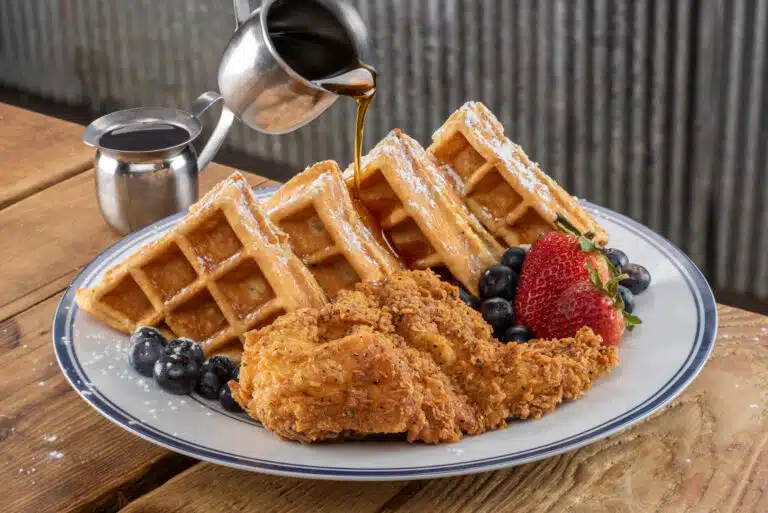
The public tends to see chefs at the pass, calling tickets and wiping plates. The owners in the room see something else. They see margin pressure, labor gaps, food cost drift, lease terms, guest retention, and the daily puzzle of turning a dining room full of variables into a stable business. The chefs who last are rarely just gifted cooks. They are operators with taste, discipline, and an unusually clear sense of what matters.
That is why the most useful lessons from top chefs are not always about food. They are often about restraint, systems, training, and the hard choices that keep a restaurant healthy long enough to build a following. Great cooking may win attention. Good business habits keep the lights on after the press moves on.
Spend enough time around successful chefs and certain patterns emerge. Their styles can differ wildly. One may run a refined tasting room with twelve seats, another a loud neighborhood grill turning two hundred covers on a Friday. Yet the underlying principles are surprisingly consistent. They know their numbers, edit constantly, hire for temperament, and guard the guest experience with unusual intensity. They also know when not to chase an opportunity.
The menu is a financial document before it is a creative document
Ask any experienced chef where restaurant profitability begins, and many will point to the menu. Not because menu engineering is glamorous, but because almost every operating problem eventually shows up there. A menu can overwork the line, create waste, confuse guests, and trap a business in low-margin sales. It can also simplify prep, improve purchasing, raise average check, and sharpen a concept.
Top chefs tend to edit harder than less experienced operators. Early in a career, there is a temptation to prove range. Ten appetizers feel more impressive than five. Three garnishes on a plate feel more sophisticated than one. Then reality arrives in the form of labor cost, storage limits, ticket times, and a prep list that starts to look unreasonable by Wednesday.
A disciplined chef learns that every dish must justify its existence. Not just aesthetically, but operationally. Does it share ingredients with other dishes in a smart way? Does it rely on a product with volatile pricing? Can the station execute it well at full volume, not just at 5:30 on a slow Tuesday? Does it photograph beautifully but slow down the pass? Is the guest ordering it more than once, or is it a one-time curiosity?
This is where many strong restaurant businesses separate themselves from admired but unstable ones. The best chefs design menus that leave room for grace under pressure. A brasserie with eighteen well-tested items often outperforms a more ambitious place with thirty-two offerings that stretch the team thin. Guests rarely reward complexity they cannot see. They do reward speed, consistency, and the quiet confidence of a place that knows exactly what it is.
The financial side matters just as much. Top chefs talk about food cost with precision, but they do not treat it as the only number that matters. A dish with a slightly higher food cost may still be a smart choice if it is fast to plate, creates little waste, and anchors the identity of the restaurant. Likewise, a high-margin item can be a bad business decision if it causes bottlenecks or disappoints guests. Judgment sits in the middle of those trade-offs.
Consistency is more valuable than brilliance
There is a kind of chef mythology that glorifies inspired chaos. It makes good television. It is not a good operating model.
The chefs who build durable businesses respect consistency almost to the point of obsession. They write recipes clearly. They calibrate seasoning. They standardize prep containers, labels, and station setups. They taste everything. They train staff to recognize what “right” looks like before a plate reaches the dining room. They do this because a restaurant does not get judged on its best service. It gets judged on the average of hundreds of services.
A regular guest returning for a favorite dish is not hoping for reinvention. They want reassurance. They want the roast chicken they loved last month to taste like itself tonight. If it is suddenly saltier, smaller, or sloppier, trust erodes. And trust is what drives repeat business, especially in local markets where people have many options and limited patience.
One chef I knew used to say that a restaurant lives or dies in the gap between intention and repetition. He was not the most flamboyant operator in town, but his dining room stayed full for years. His secret was not secret at all. Every sauce had a reference sample. Every station had photos. Every cook, even talented ones, had to prove they could reproduce standards before improvising. He understood that reliability feels luxurious to guests, even if they never articulate it that way.
This applies beyond food. Reservation handling, coat check, table pacing, allergy communication, restroom cleanliness, payment speed, and post-meal follow-up all carry equal weight in the guest’s memory. Top chefs who become strong restaurateurs stop thinking in isolated departments. They view the restaurant as one performance.
The best operators are ruthless about what they stop doing
There is a common trap in hospitality: adding before refining. A struggling lunch service leads to a brunch launch. A soft Tuesday inspires a tasting menu. Slow winter bookings prompt event packages, retail products, and holiday classes. Sometimes those moves help. Often they scatter focus.
Chefs who run sharp businesses know that subtraction is a growth strategy. They cut dishes that complicate prep without selling. They drop service periods that exhaust the team and barely break even. They decline private events that crowd out more profitable regular business. They stop chasing every social media trend the moment it appears.
This can feel counterintuitive, especially when revenue is under pressure. But simplification frequently improves both profit and morale. A shorter menu can reduce inventory, tighten purchasing, lower spoilage, and shorten training time. Fewer but better events can protect the brand instead of turning the restaurant into a rental hall. Narrowing the offer often makes the product stronger.
The same principle applies to décor, branding, and concept decisions. Top chefs usually have a strong point of view, but the most commercially successful among them are careful not to bury it under too many ideas. Guests should understand a restaurant quickly. Not every detail needs to be obvious, but the experience should be coherent. Confused guests hesitate, and hesitation is expensive.
Labor is not a line item, it is the business
Many chefs rise through kitchens where toughness is mistaken for leadership. The modern restaurant market is exposing how costly that mindset is. The best chefs today still demand standards, but they understand that talent retention is an operational advantage. Recruitment is expensive. Retraining is disruptive. Culture problems show up in guest experience faster than many owners realize.
A stable team cooks better, communicates faster, and protects consistency. It also makes scheduling more resilient. When key people leave, the impact is rarely limited to one station. Overtime rises. Prep gets rushed. Managers cover service gaps. Standards slip in ways that compound over weeks.
The chefs who keep good people tend to do a few things well. They set expectations clearly. They train with structure instead of assuming people will absorb knowledge through chaos. They correct directly but without theater. They promote from demonstrated readiness, not just loyalty. And they understand that respect is not softness. It is efficiency.
Consider the difference between a kitchen with daily friction and one with strong routines. In the first, the chef spends half the service reacting to preventable mistakes. In the second, the team works from shared assumptions. The chef can focus on quality, guests, and tomorrow’s problems. That operational calm has real value.
Pay, of course, matters. So do schedules that people can sustain. Many top chefs have become more realistic about the cost of burnout. The old model of heroics every weekend may still appear in prestige kitchens, but it is a poor foundation for a healthy restaurant business. If your model depends on constant overextension, your model is broken.
The dining room and the kitchen either trust each other or they do not
Restaurants with lasting reputations usually have one trait that guests can feel even if they never step near the service station: alignment between front and back of house. When the kitchen and dining room function as separate tribes, problems multiply. Servers oversell items the line cannot execute cleanly at volume. Cooks resent special requests that arrive late or unclearly. Managers try to smooth over mistakes without fixing root causes. The guest senses tension, usually through awkward pacing or inconsistent communication.
Top chefs who understand business invest in this relationship deliberately. They teach the service team how dishes are built and why certain substitutions are difficult. They also listen when servers report guest confusion, recurring complaints, or bottlenecks in the meal flow. The smartest chefs do not dismiss the floor as merely “selling” food. They treat it as an information source and a revenue partner.
This matters especially in a restaurant where average check depends on trust. A server who can describe a dish honestly and elegantly increases conversion. A captain who knows which courses slow the kitchen during a rush can guide a table toward smoother ordering. These are not soft skills. They directly affect guest satisfaction and sales.
One of the clearest signs of a mature operation is how it handles mistakes. In weaker restaurants, staff spend energy assigning blame. In stronger ones, they trace the miss back to a broken process. Was the menu description unclear? Was the allergy protocol incomplete? Did the station lose place because prep was late? Top chefs know that recurring errors are systems issues until proven otherwise.
Brand matters, but operations decide whether the brand survives
Celebrity helps. Press helps. A strong Instagram presence can help. None of them can rescue a restaurant that misses the basics for long.
Top chefs with durable businesses understand that brand is the promise and operations are the proof. If the brand says “warm neighborhood spot,” the welcome must feel warm even on a slammed Saturday. If the brand says “precision,” then pacing, plating, and service details must support that claim. Guests do not evaluate branding separately from experience. They measure the gap between what they were led to expect and what actually happened.
This is where many openings stumble. The concept is attractive, the room photographs well, the launch is crowded, and early buzz creates a sense of inevitability. Then the ordinary work begins. Deliveries arrive late. The dishwasher quits. Food cost runs high because portions were never truly standardized. Reservations are strong, but second visits lag. The market is full of restaurants that opened with energy and closed from accumulation.
By contrast, top chefs often build brands through repetition and clarity. They know who the restaurant is for. They understand what the guest comes to them for, and what that guest is willing to pay. They resist sending mixed signals. A place cannot be simultaneously a serious destination, a casual quick-turn lunch spot, a private events machine, and a cocktail scene without one side eventually suffering. Focus is not limitation. It is protection.
Numbers are not optional, and instinct is not enough
Great chefs often have excellent instincts. The strongest operators know where instinct ends and measurement begins.
A restaurant does not need a bloated reporting culture, but it does need clean visibility into its performance. Weekly food cost, labor cost, sales mix, average check, cover counts, voids, discounts, overtime, and waste all tell a story. None of these numbers explain the whole business alone. Together, they reveal patterns before those patterns become crises.
For example, a rising food cost percentage might indicate vendor price increases, careless portioning, menu mix shifts, theft, waste, or some combination of all four. A drop in average check could signal weaker server confidence, a guest mix change, or reduced beverage attachment. Labor may look acceptable as a percentage while the team is actually exhausted because sales are too low to justify the hours worked. The best chefs learn to read context, not just spreadsheets.
Here are a few metrics top operators watch closely:
- Prime cost, because combined labor and cost of goods usually determines whether a restaurant has room to breathe.
- Sales per labor hour, which helps reveal whether staffing matches actual volume.
- Waste by category, especially proteins and prep-heavy produce, because hidden loss erodes profit quietly.
- Average check by shift, since lunch, brunch, and dinner often behave like different businesses.
- Repeat guest patterns, whether tracked formally or through reservation notes and staff observation.
The key is not becoming enslaved to numbers. It is using them to support better decisions. A chef may choose to keep a lower-margin signature dish because it drives traffic and builds identity. That can be wise. But it should be a conscious decision, not a blind spot. Top chefs are rarely sentimental about underperformance once the data is clear.
Growth is attractive, but replication is hard
Many chefs eventually face the same question: should this restaurant become two, or three, or a packaged product, or a hotel partnership? Expansion has obvious appeal. More seats can mean more revenue. A second location can spread overhead and purchasing power. Investors like scalable narratives.
The trouble is that restaurants rarely replicate as cleanly as spreadsheets suggest. The chef who is central to quality at one location cannot physically be everywhere. The neighborhood that embraced the first site may not exist in the second. What looked like a concept may have been a context, a specific room, a specific local audience, even a specific opening team.
Top chefs who expand well tend to move later than outsiders expect. They spend time identifying what is truly transferable. Is it the menu? The service style? The sourcing discipline? The hospitality culture? The kitchen systems? If the magic depends mostly on the founder’s presence, expansion may expose fragility rather than strength.
There are also hidden costs. New units absorb leadership attention. Existing teams feel the strain when experienced staff are pulled to support openings. Training standards get tested. Cash flow becomes more complex. A profitable first restaurant can subsidize a mediocre second for longer than owners care to admit.
That does not mean growth is a mistake. It means growth should follow mastery. The chefs who handle it best build documentation before they need it, strengthen lieutenants early, and accept that not every success story should become a chain.
Suppliers are strategic partners, not just vendors
A seasoned chef can tell a lot about a restaurant by how it buys. Weak operators shop reactively. Strong ones build relationships. That does not mean paying any price for romance or proximity. It means understanding that reliable supply, honest communication, and product consistency have business value.
Top chefs talk with suppliers before a problem turns into a service disaster. They ask what is tightening in the market, what quality shifts to expect seasonally, and where substitutions may make sense. They also avoid designing menus around ingredients that are beautiful but operationally fragile unless the concept can support that volatility.
During periods of inflation or supply disruption, this discipline becomes even more important. A chef who has built trust with key purveyors often gets earlier warnings and more workable options. That can preserve both quality and margin. It also helps with forecasting. If a produce item is likely to spike, the restaurant can adapt the menu before the purchase order lands like a surprise.
The same mindset applies to equipment service, linen, cleaning, and reservation platforms. Restaurants often focus heavily on guest-facing polish while underestimating the operational value of dependable partners. The best chefs know that backstage reliability protects frontstage grace.
Hospitality is the product, not a decorative extra
Some chefs resist the language of hospitality because they identify first as craftspeople. Yet the customer never buys food in isolation. They buy how the restaurant makes them feel while serving it.
Top chefs who become strong business leaders understand this deeply. Hospitality is not code for overfamiliar service or scripted charm. It is the discipline of removing friction. It is the host who acknowledges a delay before the guest asks. It is the server who catches uncertainty and guides without performing. It is the kitchen that can adapt gracefully to an allergy because the system was built with care. It is the manager who resolves a problem in a way that protects dignity on both sides.
This is one reason so many technically gifted restaurants struggle to build regulars. The cooking may be impressive, but the experience asks too much of the guest. The pacing is uneven. The booking process is irritating. The room is loud enough to turn dinner into work. The menu reads like a private joke. None of those flaws show up in a glamour shot of a finished plate, but they shape whether someone returns.
A restaurant does not need luxury trappings to deliver real hospitality. Some of the best-run places do it through simple moves executed well: a clean table reset, accurate wait time estimates, staff who know returning guests by name, sensible music levels, and a bill delivered promptly when requested. These details sound small until you see how many operators get them wrong.
The real lesson is discipline with personality
What makes top chefs instructive is not that they all follow one formula. They do not. Some build temple-like dining rooms with exacting standards. Others create bustling restaurants that feel loose and alive. Some write menus with radical restraint. Others thrive on abundance. The business lesson is not stylistic imitation. It is disciplined alignment.
The strongest chefs match concept, menu, labor model, pricing, sourcing, and service into one coherent system. They know where they can be generous and where they must be strict. They understand that creativity without controls becomes waste, and controls without humanity become a joyless room. They also accept that every restaurant is a series of trade-offs. There is no perfect model, only a model whose https://maps.app.goo.gl/VF9QeS8FWQmjB3yf9 compromises you understand clearly enough to manage.
For operators and aspiring owners, that may be the most practical takeaway of all. Study the famous dishes if you like. Better yet, study the decisions behind them. Why is the menu this size? Why this room, this staffing level, this service style, this check average? Why is that signature item worth keeping despite the work it takes? Why did they stop brunch? Why did they wait five years before opening a second site?
Those are the questions that reveal how serious restaurant businesses are actually built. Not by chasing novelty for its own sake, and not by romanticizing kitchen intensity, but by combining craft with judgment day after day. Top chefs succeed because they learn that excellence in a restaurant is not one brilliant service. It is a thousand practical decisions made well, then made well again tomorrow.
Walter's BBQ Southern Kitchen
Address: 4501 Butler St, Pittsburgh, PA 15201
Phone number: +14126837474
FAQ About Restaurant
What is the 30 30 30 rule in restaurants?
The 30-30-30 rule in restaurants is a classic financial budgeting guideline that suggests dividing revenue into three main cost categories: 30% for food costs, 30% for labor costs, and 30% for overhead, leaving the remaining 10% as profit.
What does 68 mean in a restaurant?
In a restaurant, 68 means that a food or drink item is back in stock and available to sell again. It is the exact opposite of the much more common code 86, which means an item is out of stock and gone.
Is it rude not to tip at restaurants?
Yes, not tipping at a sit-down restaurant is generally considered rude in the United States and Canada, where standard tips range from 15% to 20%, but customs vary heavily by country. In North America, servers rely on tips as a core part of their income because laws allow lower minimum wages for tipped staff. In many other parts of the world, like parts of Europe and the UK, tipping is optional or not expected because workers receive a full standard minimum wage.