How to Decorate a Bar With Private Room for Any Theme
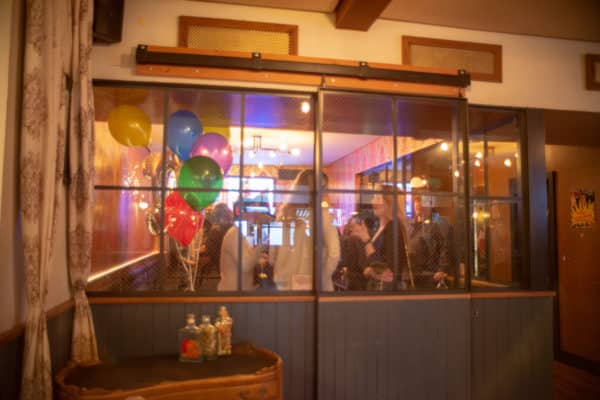
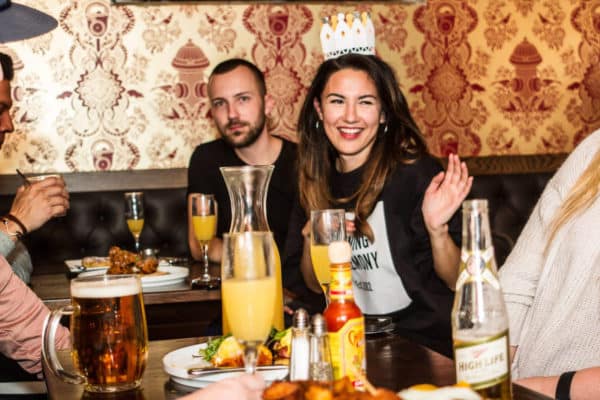
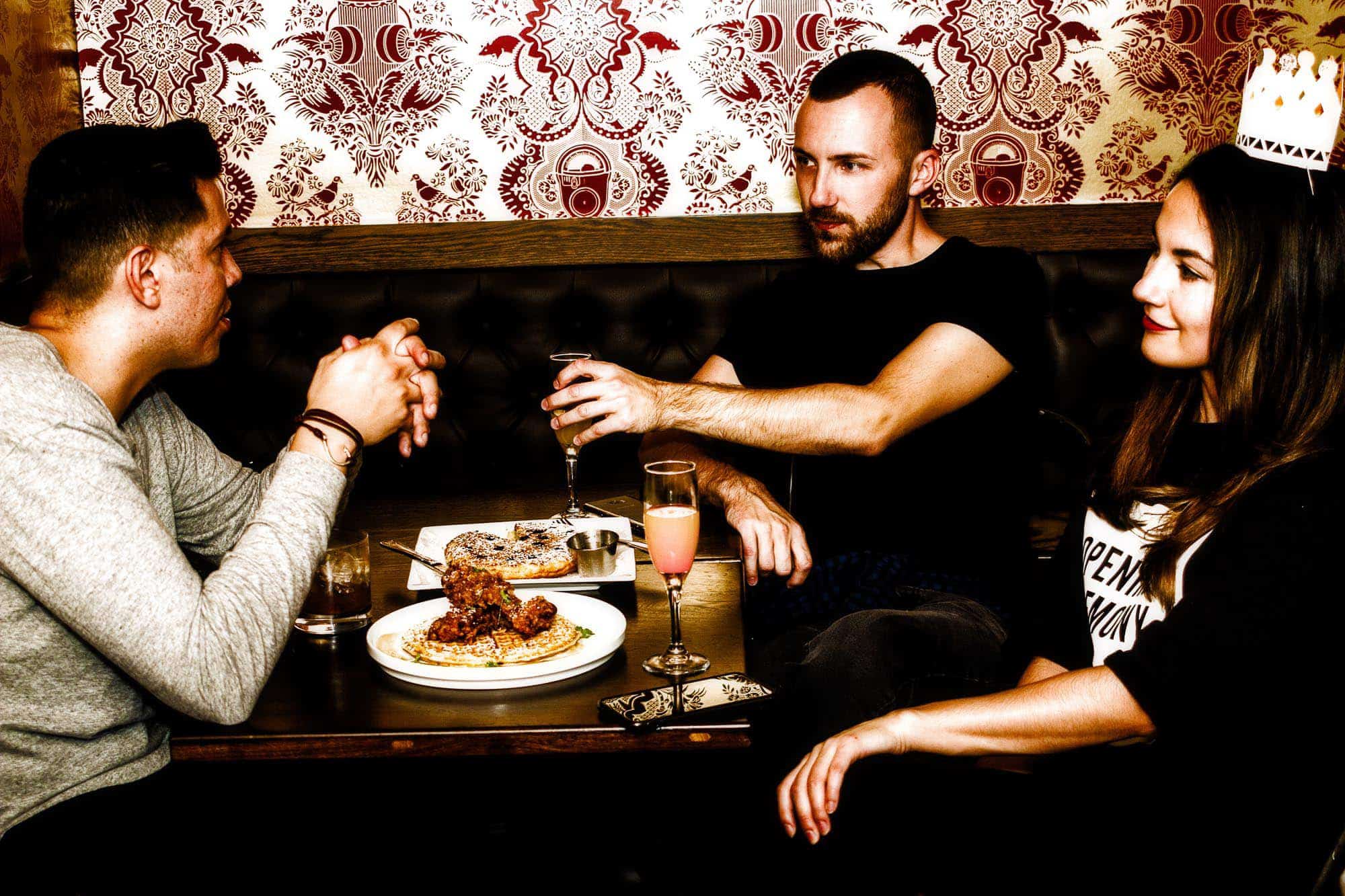
A bar with private room gives you something most venues do not: control. You can shape the mood more precisely, manage sound better, hide setup between moments, and create an experience that feels distinct from the main floor. That flexibility is exactly why private rooms work for everything from birthday dinners and corporate mixers to engagement parties, whiskey tastings, album releases, and holiday events.
Decorating that kind of space well is not just about choosing a color palette and ordering balloons. The room has to look intentional from the doorway, function under low light, hold up in photos, and still leave enough breathing room for guests, staff, trays, and drinks. A decoration plan that looks gorgeous on a Pinterest board can fail fast once glassware, ice buckets, and moving bodies enter the picture.
The best themed rooms always balance three things: atmosphere, logistics, and restraint. Guests should understand the theme within seconds, but they should also be able to sit, talk, order, move around, and enjoy themselves without feeling trapped inside a prop closet.
Start with the room you actually have
Before choosing a theme, look hard at the room itself. A private room in a bar usually comes with built-in personality, and fighting that personality tends to waste money. Dark wood, exposed brick, velvet banquettes, mirrored walls, industrial lighting, neon signage, moody paint, or low ceilings all influence what will look polished and what will feel forced.
If the room already leans speakeasy, for example, a roaring twenties concept or whiskey-led old Hollywood mood will come together naturally. If it is cleaner and more modern, a sleek martini night, monochrome birthday, or fashion-forward launch party may feel more at home. I have seen hosts spend heavily trying to turn a dark, intimate room into a pastel garden brunch setup, only to discover that the flowers disappeared into the lighting and every photo looked muddy. In that case, a richer palette, stronger contrast, and candlelit styling would have performed much better.
Take five practical measurements before you order anything: ceiling height, wall space, distance between tables, width of the entry, and where guests first look when they walk in. That last detail matters more than people think. The first sightline sets the tone. If the first thing guests see is a stack of extra chairs, a service station, or a blank wall, the theme loses impact before it begins.
Build the theme from one clear story
The easiest way to overdecorate a bar with private room is to confuse a theme with a shopping spree. Good themed decor starts with a short sentence, not a pile of items. “Moody jazz lounge with amber light and brass accents” is a story. “Casino night” is just a label until you define whether it is glamorous Monte Carlo, playful Vegas, or prohibition-era back room.
Once you have a clear story, decisions get easier. You know what music belongs, what floral choices make sense, whether the linens should be crisp or textured, whether signage should feel formal or cheeky, and whether cocktails should be part of the visual language.
A practical way to pressure-test a theme is to ask whether it can be recognized through three elements alone: color, lighting, and one signature focal point. If the answer is yes, you are on solid ground. If the theme only works when thirty small props are explained to guests, it is too thin.
Here is a simple framework I use when shaping a themed room:
- Choose a dominant mood, such as celebratory, secretive, elegant, playful, nostalgic, or dramatic.
- Pick two main colors and one accent finish, such as black and oxblood with brass, or cream and sage with warm wood.
- Decide on one focal feature guests will photograph, such as the back bar, a photo wall, the cake table, or the head table.
- Repeat the theme in small touches, menus, candles, florals, napkins, signage, instead of adding unrelated decor.
- Remove anything that does not strengthen the story, even if it looked good on its own.
That last step often separates a polished event from an amateur one. A private room is usually smaller than a banquet hall, so every object carries more visual weight.
Let lighting do the heavy lifting
If I had to choose one element that matters most in a themed private room, it would be lighting. More than linens, more than flowers, more than signage. Light determines whether the room feels expensive, warm, theatrical, romantic, festive, or flat. It also determines whether your decorations are even visible.
Bars often operate in low ambient light, which can be an advantage if used well. Candles, cordless table lamps, LED uplights, and pin spots can transform a room quickly without filling it with stuff. Warm light flatters skin tones and glassware. Colored light can work beautifully for certain themes, but it should be used carefully. Too much magenta or blue turns people gray in photos and can make food and drinks look unappetizing.
For a tropical or summer theme, I would lean on amber candlelight mixed with subtle green or coral accents rather than blasting the room with bright colored gels. For a winter holiday setup, a deep room can come alive with soft gold light, reflective ornaments, and frosted textures. For a disco theme, mirror elements only succeed if there is enough directional light to catch them. Otherwise, they just read as dark circles.
One common mistake in a bar with private room is decorating for daylight photos in a space that will mostly be experienced at night. Pale flowers, white balloons, and delicate paper details can disappear after dark. High-contrast elements, reflective surfaces, and richer tones usually perform better.
Use the bar itself as part of the decor
Many hosts forget that the strongest design asset in the room may already be there: the bar. Backlit bottles, shelving, glassware, taps, cocktail tools, and the bartender’s movement can all become part of the scene. Instead of covering everything, style around it.
For a whiskey tasting event, the bar can become a display of tasting cards, oak details, low arrangements, and branded glassware. For a birthday, the back bar can hold a clean cluster of balloons in one corner, a custom sign, and coordinated garnishes. For a retro theme, the drink menu can reinforce the period more effectively than extra props ever could.
There is also a practical reason to decorate with the bar in mind. Guests gravitate toward drinks. If the room’s most active area looks disconnected from the rest of the theme, the whole setup feels split. I once worked on a private celebration where the dining table was beautifully styled in jewel tones and candlelight, but the bar area had bright beer promos, plastic table tents, and unrelated signage still visible. The result felt unfinished. Removing a few branded pieces and echoing the table palette near the bar changed the room completely.
Match decor scale to guest count
A common decorating error is treating every private room as if it will be viewed empty. It never is. Once guests arrive, chairs pull out, jackets land on seats, glassware accumulates, and people stand in clusters. Decor that looked balanced during setup can suddenly feel cramped.
If the event is seated and dense, keep centerpieces low or very narrow. Nothing ruins table conversation faster than arrangements that block faces. If the event is cocktail-style and guests will stand, spend less on table decor and more on wall moments, the bar front, and one photo-worthy focal area. If there is dancing, remove anything fragile from traffic paths and avoid floor decor entirely.
There is no universal ratio, but in a small bar with private room, I usually advise clients to leave more negative space than they think they need. A room feels more upscale when guests can move with ease. Overfilled rooms feel cheaper, even when the individual pieces are expensive.
Theme ideas that work especially well in bar private rooms
Some themes adapt more naturally to bar architecture and service style than others. That does not mean every event must look moody or boozy, only that certain concepts cooperate with the setting.
Old Hollywood works because dim light, velvet textures, candle glow, black-and-gold details, and classic cocktails all belong in a bar. A modern monochrome event works because it sharpens the lines of the room instead of competing with them. Tropical night themes can be excellent if they lean lush and sultry rather than daytime beach party. Live greenery, rattan accents, citrus details, and rum-forward cocktails fit better than inflatable palm trees and bright plastic props.
For corporate events, the smartest theme is often not a literal theme at all. It might be a branded atmosphere: the company colors translated into florals, menu cards, projection slides, and lighting. That tends to feel more mature and gives the room identity without turning the evening into a trade show booth.
Personal celebrations benefit from one memorable twist. A milestone birthday might use the host’s travel history, favorite spirit, or music taste as a thread. A rehearsal dinner might nod to where the couple met. Those details make a private room feel custom, even when the budget is moderate.
Texture matters more than novelty
People notice texture before they can name it. Velvet, linen, smoked glass, polished brass, matte ceramic, citrus peel, glossy leaves, wax candles, leather menu covers, all of these deepen a room. They help a theme feel finished without relying on gimmicks.
This is especially important in a bar setting because lighting naturally exaggerates texture. Soft fabrics absorb light. Mirrors and metallics bounce it. Clear acrylic disappears in dim conditions unless handled well. Cheap paper decor can look particularly flimsy at night, especially against dark walls.
If the budget is limited, spend on fewer things with stronger presence. A line of quality candles, proper linen napkins, one thoughtful floral installation, or custom menus on heavy stock will do more for the room than a dozen novelty items ordered in haste. Guests rarely remember individual props. They remember whether the room felt coherent.
Decorate for photos without turning the room into a backdrop
Guests will take pictures, and if the event is social or professional, they will take a lot of them. That does not mean every surface needs a logo or every wall needs a neon sign. Photogenic is not the same as overloaded.
A strong focal area is enough. It could be a styled wall, a banquette with layered pillows and florals, a cake or dessert station with height variation, or a custom sign behind the bar. The key is to make that moment easy to find and flattering to use. Place it where lighting is kind, avoid harsh overhead shadows, and give people room to stand without blocking service.
I usually recommend choosing one hero shot and one secondary detail shot. The hero shot is where small groups gather for posed photos. The secondary detail shot is what guests capture close-up: cocktails, place settings, escort cards, menus, favors, or candlelit tables. When both are considered, the event tends to look richer online and in memory.
Sound, scent, and service are part of the decoration
The room’s atmosphere is not built by visuals alone. Sound level, music style, and even scent influence whether the theme lands. A chic private room decorated for a sophisticated cocktail evening can be undermined by the wrong playlist or by the main bar’s sports audio bleeding through the wall. If possible, coordinate the room’s music early, not twenty minutes before guest arrival.
Scent is powerful but risky. Fresh citrus, herbs, and flowers can complement a room naturally. Heavy diffusers, incense, or artificial fragrance usually do more harm than good, especially around food and alcohol. If there is a signature scent already present in the venue, work with it rather than stacking another one on top.
Service staging matters too. Extra ice tubs, stacks of glassware, backup bottles, and used appetizer trays can visually wreck a theme if they have nowhere discreet to go. When planning the decor, ask where staff will set down replenishment, where gifts or coats will live, and where empties can be collected. This is not glamorous, but it is the difference between a room that starts well and one that stays good for three hours.
Seasonal themes need adaptation, not imitation
Seasonal decorating in a bar with private room works best when you adapt the season to the venue rather than copying what might work in a ballroom or backyard.
Autumn looks stronger in bars when it leans into depth: amber glass, plum florals, rust textiles, candlelight, and wood. Spring can become elegant with butter yellow, pale green, and sculptural branches, but those colors need enough contrast to survive dim lighting. Winter themes should avoid becoming generic holiday clutter. A private room can feel far more refined with evergreen touches, warm metallics, dark ribbon, and one dramatic installation than with red-and-green saturation everywhere.
Summer themes deserve special care. Many people think summer means brighter and bigger. In a darker room, the better route is usually fresher and cleaner. Think chilled coupes, glossy leaves, lime, white florals, woven textures, and a crisp menu rather than novelty beach decor. Summer in a bar should still feel like evening.
Where people overspend, and where money actually shows
Decor budgets disappear quickly in private event spaces because every piece feels small and manageable until it adds up. In my experience, the least efficient spending often happens in three places: excessive balloons with no focal logic, tiny props scattered across surfaces, and oversized centerpieces that block the room https://remingtonwamn423.opalvector.com/posts/elegant-event-ideas-for-a-bar-with-private-room more than they elevate it.
Money tends to show most in these areas:
- Lighting that flatters the space and guests
- One well-designed focal installation
- Quality linens or tabletop details within reach of every guest
- Custom paper goods that tie the theme together
- Florals or greenery used with purpose, not filler
Even with a modest budget, a room can feel highly designed if those areas are handled thoughtfully. By contrast, a large budget can still produce a cluttered result if the vision is weak.
Common mistakes that make themed rooms feel cheap
Not every problem comes from lack of money. Many come from lack of editing.
- Using too many colors with no visual hierarchy
- Ignoring the venue’s existing finishes and lighting conditions
- Choosing decor that blocks conversation or service
- Treating every table, wall, and corner as a place to fill
- Relying on novelty props instead of atmosphere
That fifth mistake shows up all the time. Guests do not need a room to explain itself loudly. They need it to feel immersive. A little mystery often works in your favor.
Final styling decisions that pull the room together
The best finishing touches are usually the quiet ones. Menus that match the palette. Cocktail napkins with a line of custom text. A velvet ribbon on place cards. A bowl of citrus at the bar that echoes the drink program. A cluster of tea lights reflected in a mirror. These details create cohesion, and cohesion is what people perceive as quality.
When you walk the room before guests arrive, do a slow pass from the doorway, then from seated eye level, then from bar height, and finally through a phone camera. Each angle reveals different problems. Something towering may block sightlines when seated. Something lovely in person may vanish in photos. A corner that looks empty to you may feel restful once the room fills with people.
Decorating a bar with private room for any theme comes down to disciplined choices. Read the architecture, define the mood clearly, let light shape the experience, and use the venue’s built-in strengths instead of hiding them. When the theme is grounded in the room and edited with confidence, guests stop noticing individual decorations and start responding to the feeling of the night. That is the real goal.
The Winslow
Address: 243 E 14th St, New York, NY 10003
Phone number: +12127777717
FAQ About Bar With Private Room
Which bars in NYC offer private rooms?
Many bars in New York City offer private and semi-private rooms for parties and events, ranging from hidden basement speakeasies to upscale lounge spaces. Top options include The Back Room on the Lower East Side, Dear Irving Gramercy, Pebble Bar in Midtown, Mister Paradise in the East Village, and The Winslow in the East Village.
What is a private room in a pub called?
A small, private seating area or partitioned booth in a traditional pub is most commonly called a snug. Larger private rooms used for events, parties, or dining are typically referred to as private dining rooms, function rooms, or back rooms.
How much does a 2 hour open bar cost?
A 2-hour open bar generally costs between $15 and $45 per person, depending heavily on the quality of alcohol you choose. For a standard group of 100 guests, this translates to an overall cost of $1,500 to $4,500 before taxes, setups, and staff gratuities.